Walking on Glass? Ouch.
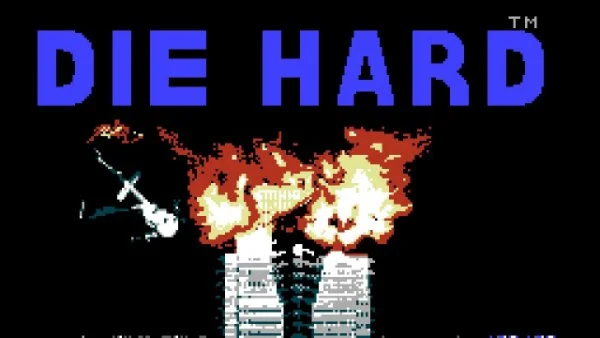
Let’s revisit one of the most stressful action stories ever pixelated. We’re talking about the 1991 NES Die Hard, where a top-down version of John McClane attempts to save Nakatomi Plaza while traipsing barefoot around an office building that’s aggressively anti-OSHA.
Just like the real 1988 film hero, our 8-bit McClane spends most of his journey in the wrong place at the wrong time. The difference is that the NES version dies far more often and with far fewer wisecracks.
But, man, there’s a reason this challenging retro chaos hits close to home for so many brands…
Big campaigns often reach peak stress right when you’re trying to catch your breath. Before anyone can say “yippee-ki-ya” and log off, there are still deadlines, reviews, approvals, and no shortage of fires to extinguish.
So let’s revisit this 8-bit classic and uncover a few lessons from a game that captured the spirit of every eleventh-hour campaign scramble.
Press Start: Zero Gear, Maximum Pressure
Tap “Start,” and you’re thrown straight into Nakatomi Plaza. The timer is shrinking. The enemies are already firing. Your ammo is limited. And McClane’s bare feet are losing health with every step across a carpet of broken glass. No easing in. You begin in crisis.
It’s the purest version of being dropped into the wrong place at the wrong time. But even in that mess, McClane survives by making the right decisions in the worst moments. That’s modern marketing. Challenges don’t schedule themselves politely. They arrive right before launch.
Victory comes from how you respond, not from how peaceful your marketing calendar once appeared.
Wrong Start, 8-Bit Grit
One of the biggest truths of the NES Die Hard is that McClane never starts a level with enough of anything—health, ammo, or time. The game expects you to succeed anyway by choosing the smartest next move.
Marketing works the same way. Budgets shift, priorities change, and “quick requests” multiply. Campaigns rarely unfold in clean, sequential order. They evolve in real time.
The point isn’t to wait for tidy conditions to launch. It’s to shift your approach as soon as the circumstances do. McClane doesn’t hope for better footing, better timing, or more bullets. He relies on scrappy resourcefulness, using whatever’s available to clear one level at a time.
The best teams move the same way: focused, flexible, and ready to tackle what matters most in the moment.
The Bad Guy Counter: WHEN Focus Beats Full Visibility
The terrorist counter (40 ticking downward) is one of the game’s most competent mechanics. However messy the moment feels, it always tells you how many foes remain. Not to make the game easier, but to give the player greater focus.
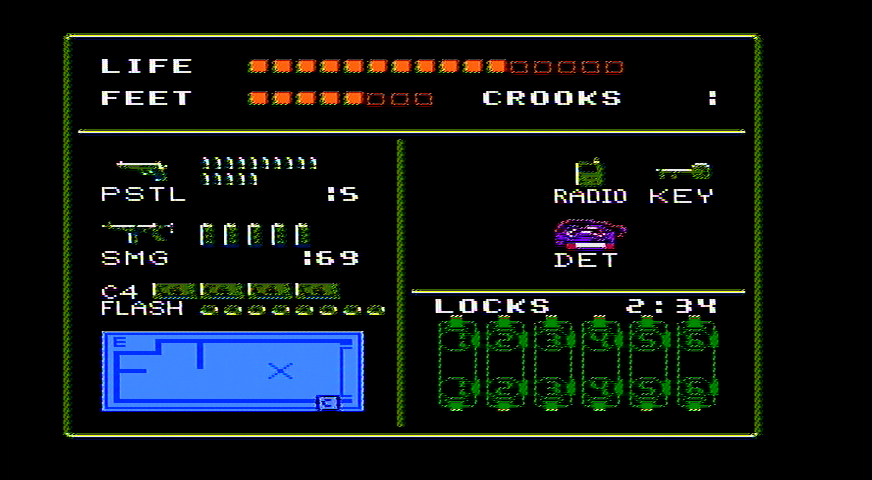
In marketing, visibility is rarely this clean. You don’t know how many reviews are still coming or which stakeholder will appear next. But the real takeaway isn’t about wishing for a perfect dashboard. It’s about narrowing your focus when everything feels urgent.
McClane handles one threat at a time because that’s all he can do. Your team can win the same way with real-time prioritization: identify the most pressing task, crush it, then move on to the next.
Pressure becomes manageable when you choose the most critical fight first.
You don’t need a glowing ticking counter. You need clarity of priority and the discipline of triage.
SOMETIMES Barefoot Isn’t Brave. It’s Reality.
McClane’s shoeless sprint (*cringe) through glass is one of the cruelest images in the game, but it’s honest. He didn’t choose his conditions; he just keeps moving through them.
Marketers know this terrain well. Campaigns launch with compressed prep. Tracking isn’t perfect because timelines weren’t either. But momentum matters more than ideal conditions.
Progress rarely looks elegant. It looks like moving forward despite the sharp edges: choose the next right step, take it carefully, and keep going.
Keep Climbing, even Amid Chaos
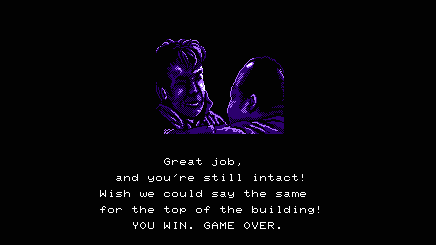
As McClane climbs, the tower rearranges itself, doors jam, elevators stall, floors collapse. He survives because he adjusts faster than the surprises can stack up.
Marketing mirrors this perfectly. Offers change late. Creative updates cascade. Budgets shift. A key stakeholder weighs in after the deadline. None of these surprises are ideal, but all are survivable.
Remember:
Winning teams aren’t the ones with perfect plans. They’re the ones who adapt their plans without losing momentum.
YOUR CHEAT CODE:
Power Up with a Can of Whoop Ads
One of the game’s most memorable mechanics is how McClane restores his health by picking up stray soda cans scattered across the building. A tiny boost at exactly the right time keeps the mission alive.
Brand “health” can work the same way. Small strategic upgrades make a big impact: refreshed creative, smarter segmentation, tighter messaging. Each one adds a little HP and moves you closer to your finish line.
So, if your brand finds itself on the wrong floor at the wrong time, remember: strategy is your real weapon. Grab your power-up, steady your footing, and if in doubt, open a can of JXM whoop ads.
© MMXXVI CHEAT CODES BY JXM