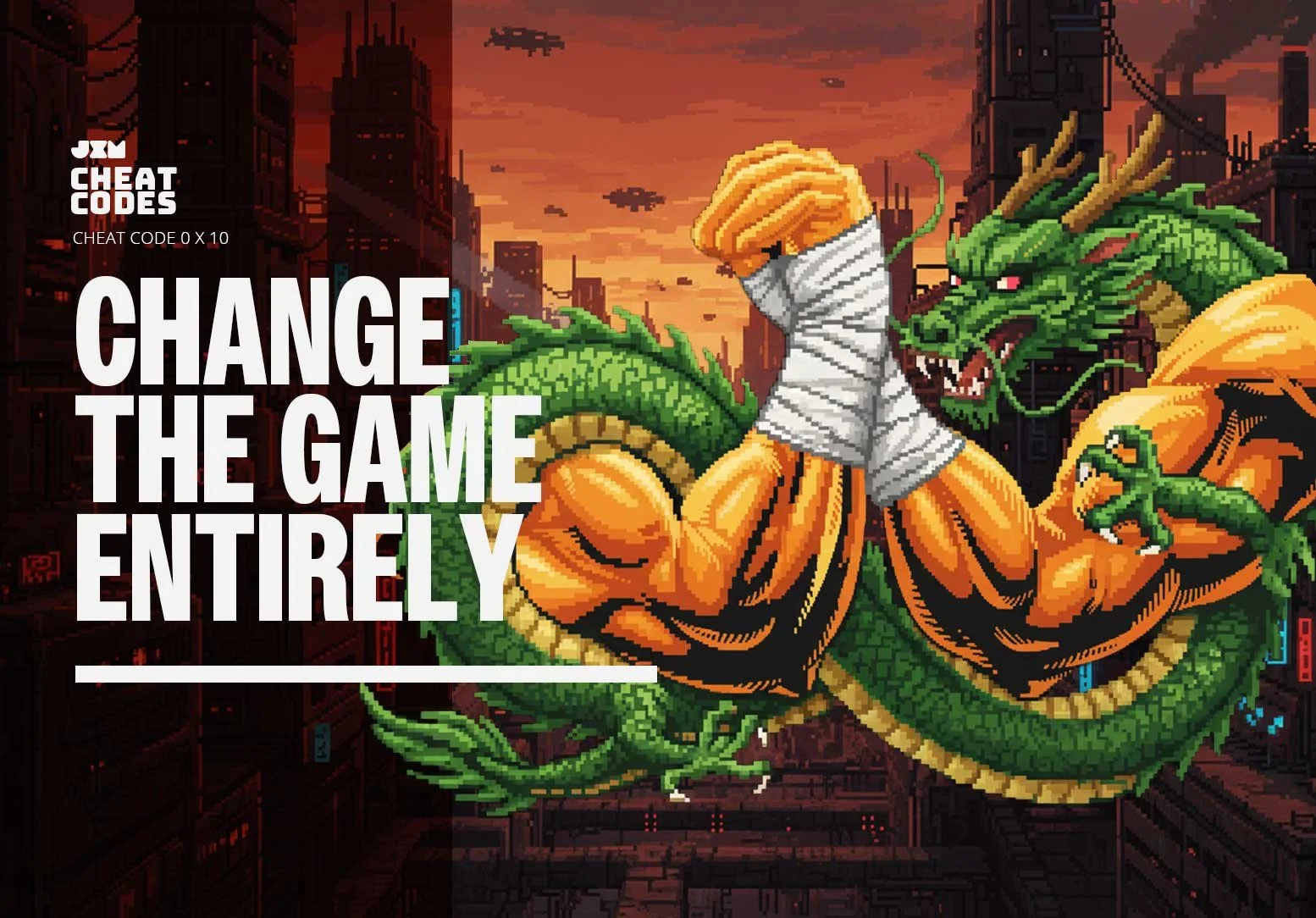
When Double Dragon dropped in 1987, it didn't just entertain; it created a blueprint for a whole new genre. There's a real lesson for marketers: the game kept evolving, and that's why it stayed relevant.
The first Double Dragon was a hit, but the sequels didn't just rinse and repeat. Each version added new moves, new weapons, and new ways to keep players hooked. Great marketing campaigns work the same way: iteration is everything. If your campaign hits, don't just rerun it. Upgrade the creative, expand the channels, and sharpen the message so it feels fresh while building on what worked.
Team combos win bigger battles.
In Double Dragon, two players could team up for combo moves — one holding the enemy while the other unleashed the hit. Marketing campaigns thrive on this same principle. Pair your paid media strategy with an agency that has a killer instinct. We know a good one. Link brand storytelling with product offers. Cross-collaborate with community partners or influencers. The real cheat code is creating combos that are greater than the sum of their parts.
New players, new possibilities.
By Double Dragon 3, the roster expanded — extra fighters, extra lives, more chaos, more excitement. In campaigns, this is like introducing fresh voices or new audience segments. Bring in a partner brand. Launch a side series of user-generated content. Add an interactive or experiential layer. Each “new fighter” keeps the audience engaged longer and drives your story further.
Double Dragon 3 also pioneered microtransactions; you could drop another coin to unlock moves or power-ups. Campaigns can borrow this thinking by adding scalable extensions. Can you create limited merchandise tied to your message? Tiered offers? Premium content for deeper engagement? These micro power-ups can turn a one-and-done campaign into an ongoing revenue engine.
A cautionary tale.
Double Dragon 3's plot swerved into wild territory. Instead of the straightforward rescue mission and gritty street fights that made the series famous, players suddenly found themselves globe-trotting in search of mystical Rosetta Stones and battling mummies in Egypt. It was confusing, inconsistent with the original brand, and critics panned it. The game sold far less than its predecessors, and many fans see it as the point where the franchise started to lose momentum.
Campaigns can suffer the same fate when they wander from the story that first made people care. The temptation is to chase shiny objects: buzzy SEO words, trending graphics, or the social channel of the moment. If it doesn't connect back to your core brand narrative, it falls flat. Just like Double Dragon 3, you risk alienating your loyal fans while failing to win new ones.